Buy sanovnik.eu ?
We are moving the project
sanovnik.eu .
Are you interested in purchasing the domain
sanovnik.eu ?
domain@kv-gmbh.de · 0541-91531010
Buy sanovnik.eu ?
What does error analysis look like in voltage translation?
Error analysis in voltage translation involves comparing the desired output voltage level with the actual output voltage level. This can be done by measuring the voltage difference between the input and output signals, and calculating the percentage error. Additionally, error analysis may involve identifying sources of error such as voltage drops across components, variations in component tolerances, and noise interference. By understanding and quantifying these errors, engineers can make adjustments to improve the accuracy and reliability of voltage translation circuits. **
How do the rated voltage, nominal voltage, and operating voltage differ?
The rated voltage is the maximum voltage that a device can safely handle without being damaged. The nominal voltage is the standard voltage level at which a device is designed to operate efficiently. The operating voltage is the actual voltage at which a device is currently operating. These three values can differ, with the rated voltage being the highest, followed by the nominal voltage, and the operating voltage fluctuating within a certain range depending on the conditions. **

Similar search terms for Voltage
Top-Angebote
Products related to Voltage:
-
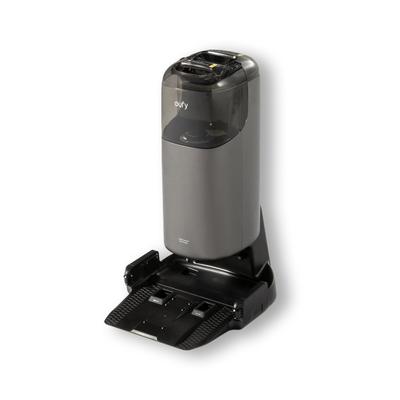
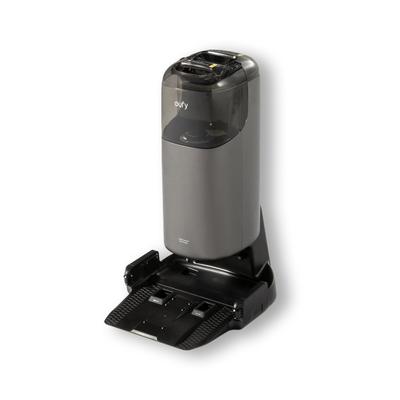
S1 Pro Station (Low Voltage)S1 Pro Station 1000W (Low Votage) Product Description This listing features the S1 Pro 1000W base station, identifiable by its distinct hexagonal filter design at the bottom (as shown in product images). With enhanced suction power and optimized...405,00 $*Shipping: 0,00 $Secure redirect to the provider


-
What does the error analysis look like for voltage translation?
Error analysis for voltage translation involves comparing the input and output voltages to identify any discrepancies. This includes measuring the voltage levels at the input and output terminals of the translation circuit and calculating the difference between the expected and actual values. The analysis also involves considering factors such as voltage drop across components, impedance mismatches, and noise interference that could affect the accuracy of the voltage translation. By conducting a thorough error analysis, engineers can identify and address any issues to ensure reliable and accurate voltage translation. **
-
What is subconscious knowledge in dreams?
Subconscious knowledge in dreams refers to the information, thoughts, and feelings that are stored in the subconscious mind and are brought to the surface during the dream state. This can include repressed memories, unresolved emotions, and hidden desires that may not be readily accessible in our waking consciousness. Dreams provide a window into our subconscious, allowing us to gain insight into our innermost thoughts and experiences. By analyzing our dreams, we can uncover and process this subconscious knowledge, leading to a better understanding of ourselves and our behaviors. **
-
Can you provide the parameters and symbols of a sinusoidal alternating voltage?
The parameters of a sinusoidal alternating voltage include amplitude (peak voltage), frequency (cycles per second or Hertz), phase (relative to a reference point), and peak-to-peak voltage (difference between maximum and minimum voltage). The symbols commonly used to represent these parameters are V for voltage, A for amplitude, f for frequency, φ for phase angle, and Vpp for peak-to-peak voltage. The equation for a sinusoidal alternating voltage can be represented as V(t) = A*sin(2πft + φ), where V(t) is the instantaneous voltage at time t. **
-
Can you provide the characteristics and symbols of a sinusoidal alternating voltage?
A sinusoidal alternating voltage is characterized by its waveform, which is a smooth, repetitive oscillation that follows a sine function. It has a constant frequency and amplitude, representing the peak voltage of the waveform. The symbols used to represent a sinusoidal alternating voltage include V(t) for voltage as a function of time, Vpk for peak voltage, Vrms for root mean square voltage, and f for frequency. **


How to calculate the blocking voltage using the mesh analysis method?
To calculate the blocking voltage using the mesh analysis method, you first need to identify the mesh currents in the circuit. Then, you can apply Kirchhoff's voltage law to each mesh to write equations based on the voltage drops and sources within each mesh. Once you have the equations for each mesh, you can solve them simultaneously to find the mesh currents. The blocking voltage can then be calculated by finding the voltage drop across the diode or other blocking element in the circuit, using the mesh currents and the component characteristics. **
Where can one find the missing voltage difference between battery voltage and consumer voltage?
The missing voltage difference between battery voltage and consumer voltage can be found in the electrical components that make up the circuit between the battery and the consumer. This could include resistors, capacitors, inductors, or other components that may be affecting the voltage. By analyzing the circuit and using techniques such as Kirchhoff's voltage law and Ohm's law, one can identify and calculate the missing voltage difference. Additionally, using a multimeter to measure the voltage at different points in the circuit can help pinpoint where the voltage drop is occurring. **
Top-Angebote
Products related to Voltage:
-
Omni Station (Low Voltage)eufy Omni Station (Low Votage) Authentic part manufactured by eufy. Compatible with X10 Pro Omni. Note: Power cord and dust bag are not included, You can purchase it through those links: Power cord: https://www.eufy.com/products/t2276111-91 Dust...251,25 $*Shipping: 0,00 $Secure redirect to the provider
-
S1 Pro Station (Low Voltage)S1 Pro Station 1000W (Low Votage) Product Description This listing features the S1 Pro 1000W base station, identifiable by its distinct hexagonal filter design at the bottom (as shown in product images). With enhanced suction power and optimized...405,00 $*Shipping: 0,00 $Secure redirect to the provider
-
What does error analysis look like in voltage translation?
Error analysis in voltage translation involves comparing the desired output voltage level with the actual output voltage level. This can be done by measuring the voltage difference between the input and output signals, and calculating the percentage error. Additionally, error analysis may involve identifying sources of error such as voltage drops across components, variations in component tolerances, and noise interference. By understanding and quantifying these errors, engineers can make adjustments to improve the accuracy and reliability of voltage translation circuits. **
-
How do the rated voltage, nominal voltage, and operating voltage differ?
The rated voltage is the maximum voltage that a device can safely handle without being damaged. The nominal voltage is the standard voltage level at which a device is designed to operate efficiently. The operating voltage is the actual voltage at which a device is currently operating. These three values can differ, with the rated voltage being the highest, followed by the nominal voltage, and the operating voltage fluctuating within a certain range depending on the conditions. **
-
What does the error analysis look like for voltage translation?
Error analysis for voltage translation involves comparing the input and output voltages to identify any discrepancies. This includes measuring the voltage levels at the input and output terminals of the translation circuit and calculating the difference between the expected and actual values. The analysis also involves considering factors such as voltage drop across components, impedance mismatches, and noise interference that could affect the accuracy of the voltage translation. By conducting a thorough error analysis, engineers can identify and address any issues to ensure reliable and accurate voltage translation. **
-
What is subconscious knowledge in dreams?
Subconscious knowledge in dreams refers to the information, thoughts, and feelings that are stored in the subconscious mind and are brought to the surface during the dream state. This can include repressed memories, unresolved emotions, and hidden desires that may not be readily accessible in our waking consciousness. Dreams provide a window into our subconscious, allowing us to gain insight into our innermost thoughts and experiences. By analyzing our dreams, we can uncover and process this subconscious knowledge, leading to a better understanding of ourselves and our behaviors. **
Similar search terms for Voltage
-
Felt Right Mini Voltage Sound Dampening Pinnable TilesThe compact version of our popular new Voltage design, this piece delivers ashock of vibrant colors in a striking zigzag pattern. Amplify your conversationswhile keeping unwanted noise to a minimum with a dynamic combination of fivebold colors.189,30 $*Shipping: 0,00 $Secure redirect to the provider
-
Multicon Wholesale Hub Low Voltage Outdoor LED Spotlights, Waterproof, For Landscape Lighting Low Voltage Outdoor LED Spotlights, Waterproof, For Landscape LightingTransform your outdoor spaces with Low voltage landscape lights(12pcs) that offer a durable, energyefficient lighting solution for gardens, driveways, and patios. This 6W LED spotlight pack ensures vibrant, bright illumination with a waterproof...139,97 $*Shipping: 0,00 $Secure redirect to the provider
-
Can you provide the parameters and symbols of a sinusoidal alternating voltage?
The parameters of a sinusoidal alternating voltage include amplitude (peak voltage), frequency (cycles per second or Hertz), phase (relative to a reference point), and peak-to-peak voltage (difference between maximum and minimum voltage). The symbols commonly used to represent these parameters are V for voltage, A for amplitude, f for frequency, φ for phase angle, and Vpp for peak-to-peak voltage. The equation for a sinusoidal alternating voltage can be represented as V(t) = A*sin(2πft + φ), where V(t) is the instantaneous voltage at time t. **
-
Can you provide the characteristics and symbols of a sinusoidal alternating voltage?
A sinusoidal alternating voltage is characterized by its waveform, which is a smooth, repetitive oscillation that follows a sine function. It has a constant frequency and amplitude, representing the peak voltage of the waveform. The symbols used to represent a sinusoidal alternating voltage include V(t) for voltage as a function of time, Vpk for peak voltage, Vrms for root mean square voltage, and f for frequency. **
-
How to calculate the blocking voltage using the mesh analysis method?
To calculate the blocking voltage using the mesh analysis method, you first need to identify the mesh currents in the circuit. Then, you can apply Kirchhoff's voltage law to each mesh to write equations based on the voltage drops and sources within each mesh. Once you have the equations for each mesh, you can solve them simultaneously to find the mesh currents. The blocking voltage can then be calculated by finding the voltage drop across the diode or other blocking element in the circuit, using the mesh currents and the component characteristics. **
-
Where can one find the missing voltage difference between battery voltage and consumer voltage?
The missing voltage difference between battery voltage and consumer voltage can be found in the electrical components that make up the circuit between the battery and the consumer. This could include resistors, capacitors, inductors, or other components that may be affecting the voltage. By analyzing the circuit and using techniques such as Kirchhoff's voltage law and Ohm's law, one can identify and calculate the missing voltage difference. Additionally, using a multimeter to measure the voltage at different points in the circuit can help pinpoint where the voltage drop is occurring. **
* All prices are inclusive of VAT and, if applicable, plus shipping costs. The offer information is based on the details provided by the respective shop and is updated through automated processes. Real-time updates do not occur, so deviations can occur in individual cases. ** Note: Parts of this content were created by AI.