Buy sanovnik.eu ?
We are moving the project
sanovnik.eu .
Are you interested in purchasing the domain
sanovnik.eu ?
domain@kv-gmbh.de · 0541-91531010
Buy sanovnik.eu ?
What is a music analysis 2?
A music analysis 2 is a more in-depth examination of a musical piece, building upon the concepts and techniques introduced in a music analysis 1. It involves a deeper exploration of musical elements such as melody, harmony, rhythm, form, and texture, as well as an examination of the historical and cultural context of the music. Students may also learn more advanced analytical tools and methodologies to further understand and interpret the music. Overall, a music analysis 2 aims to provide a more comprehensive understanding of the complexities and nuances within a musical composition. **
What is music theory and analysis?
Music theory and analysis is the study of the structure and elements of music, including harmony, melody, rhythm, and form. It involves understanding how music is put together and how it functions, as well as the principles and rules that govern musical composition. Analysis involves breaking down a piece of music to understand its components and how they work together to create the overall effect. Music theory and analysis are essential for musicians and composers to understand and communicate musical ideas effectively. **

Similar search terms for Music
Top-Angebote
Products related to Music:
-
Uplift Treasures Full Touch Bluetooth Smart Watch Music Playback Sleep Fitness Tracker go20szstrapProduct Description Stay connected and active with this full touch Bluetooth smart watch designed for everyday convenience and fitness tracking. It features music playback, step counting, sleep monitoring, and smart notifications in a sleek and...115,97 $*Shipping: 0,00 $Secure redirect to the provider
-
Uplift Treasures Full Touch Bluetooth Smart Watch Music Playback Sleep Fitness Tracker sl20milanProduct Description Stay connected and active with this full touch Bluetooth smart watch designed for everyday convenience and fitness tracking. It features music playback, step counting, sleep monitoring, and smart notifications in a sleek and...109,97 $*Shipping: 0,00 $Secure redirect to the provider
-
Uplift Treasures Full Touch Bluetooth Smart Watch Music Playback Sleep Fitness Tracker blackProduct Description Stay connected and active with this full touch Bluetooth smart watch designed for everyday convenience and fitness tracking. It features music playback, step counting, sleep monitoring, and smart notifications in a sleek and...61,97 $*Shipping: 0,00 $Secure redirect to the provider
-
Uplift Treasures Full Touch Bluetooth Smart Watch Music Playback Sleep Fitness Tracker silverProduct Description Stay connected and active with this full touch Bluetooth smart watch designed for everyday convenience and fitness tracking. It features music playback, step counting, sleep monitoring, and smart notifications in a sleek and...61,97 $*Shipping: 0,00 $Secure redirect to the provider


-
What symbols are there in music playback?
Some common symbols in music playback include the play button, which typically looks like a right-facing triangle, the pause button, which is usually represented by two vertical bars, and the stop button, often depicted as a square. Other symbols include the shuffle and repeat buttons, which indicate whether the music will play in a random order or repeat a specific track or playlist. Additionally, volume controls are often represented by symbols such as a speaker icon with sound waves or plus and minus signs. **
-
What do these symbols in music mean?
These symbols in music are called dynamics markings and they indicate the volume or intensity at which a piece of music should be played. The "p" stands for piano, which means to play softly, while the "f" stands for forte, which means to play loudly. The "mp" stands for mezzo piano, meaning moderately soft, and the "mf" stands for mezzo forte, meaning moderately loud. These symbols help musicians to accurately interpret and perform the dynamics of a piece of music. **
-
What do these symbols mean in music?
In music, symbols such as notes, rests, and dynamics are used to convey specific instructions to the performer. Notes indicate the pitch and duration of a sound, while rests represent periods of silence. Dynamics symbols, such as crescendo and decrescendo markings, indicate changes in volume or intensity. These symbols help musicians interpret the music accurately and convey the composer's intentions effectively. **
-
Is there still music without satanic symbols?
Yes, there is still plenty of music being created and performed without any satanic symbols. Music is a diverse and vast art form that encompasses a wide range of genres and styles, many of which have nothing to do with satanic imagery or themes. There are countless musicians and artists who create music that is uplifting, positive, and free from any satanic symbolism. It's important to remember that music is a reflection of the diversity of human expression and can encompass a wide range of themes and messages. **


What symbols are used in music playback?
Symbols commonly used in music playback include the treble clef, bass clef, time signature, key signature, dynamics markings (such as piano and forte), repeat signs, and various articulation marks (such as staccato and legato). These symbols help musicians interpret and perform the music accurately by indicating pitch, rhythm, tempo, and expression. Additionally, symbols like fermatas and crescendos provide further guidance on how to interpret the music. **
What is functional analysis and level analysis in music?
Functional analysis in music refers to the study of how different musical elements such as harmony, melody, rhythm, and form work together to create a cohesive and expressive musical structure. It involves analyzing the function of each element within a piece of music and how they contribute to the overall musical meaning and emotional impact. Level analysis, on the other hand, involves examining the different hierarchical levels of musical structure, such as the phrase, section, movement, and entire composition. It focuses on understanding how these levels interact and contribute to the overall organization and coherence of the music. Both functional analysis and level analysis are important tools for music scholars and performers to understand the inner workings of a piece of music and to interpret and perform it effectively. **
Top-Angebote
Products related to Music:
-
Uplift Treasures Full Touch Bluetooth Smart Watch Music Playback Sleep Fitness Tracker go20milanProduct Description Stay connected and active with this full touch Bluetooth smart watch designed for everyday convenience and fitness tracking. It features music playback, step counting, sleep monitoring, and smart notifications in a sleek and...110,97 $*Shipping: 0,00 $Secure redirect to the provider
-
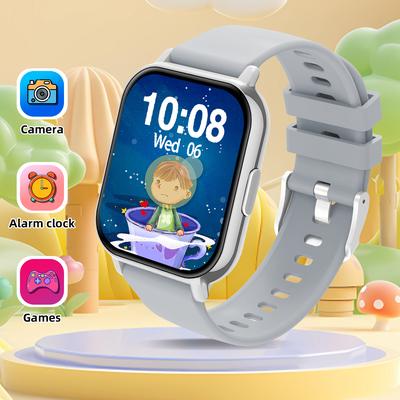
Fusion Finds Smartwatch With Bluetooth Calling, HD Touchscreen, Sleep Monitor & Music Control silicone SilverExperience smarter, easier everyday connectivity with a kids smartwatch designed to keep children active, entertained, and connected. Featuring a vibrant 1.83inch HD display, this Bluetooth calling watch lets users answer calls, control music, and...32,97 $*Shipping: 0,00 $Secure redirect to the provider
-
Uplift Treasures Full Touch Bluetooth Smart Watch Music Playback Sleep Fitness Tracker go20szstrapProduct Description Stay connected and active with this full touch Bluetooth smart watch designed for everyday convenience and fitness tracking. It features music playback, step counting, sleep monitoring, and smart notifications in a sleek and...115,97 $*Shipping: 0,00 $Secure redirect to the provider
-
Uplift Treasures Full Touch Bluetooth Smart Watch Music Playback Sleep Fitness Tracker sl20milanProduct Description Stay connected and active with this full touch Bluetooth smart watch designed for everyday convenience and fitness tracking. It features music playback, step counting, sleep monitoring, and smart notifications in a sleek and...109,97 $*Shipping: 0,00 $Secure redirect to the provider
-
What is a music analysis 2?
A music analysis 2 is a more in-depth examination of a musical piece, building upon the concepts and techniques introduced in a music analysis 1. It involves a deeper exploration of musical elements such as melody, harmony, rhythm, form, and texture, as well as an examination of the historical and cultural context of the music. Students may also learn more advanced analytical tools and methodologies to further understand and interpret the music. Overall, a music analysis 2 aims to provide a more comprehensive understanding of the complexities and nuances within a musical composition. **
-
What is music theory and analysis?
Music theory and analysis is the study of the structure and elements of music, including harmony, melody, rhythm, and form. It involves understanding how music is put together and how it functions, as well as the principles and rules that govern musical composition. Analysis involves breaking down a piece of music to understand its components and how they work together to create the overall effect. Music theory and analysis are essential for musicians and composers to understand and communicate musical ideas effectively. **
-
What symbols are there in music playback?
Some common symbols in music playback include the play button, which typically looks like a right-facing triangle, the pause button, which is usually represented by two vertical bars, and the stop button, often depicted as a square. Other symbols include the shuffle and repeat buttons, which indicate whether the music will play in a random order or repeat a specific track or playlist. Additionally, volume controls are often represented by symbols such as a speaker icon with sound waves or plus and minus signs. **
-
What do these symbols in music mean?
These symbols in music are called dynamics markings and they indicate the volume or intensity at which a piece of music should be played. The "p" stands for piano, which means to play softly, while the "f" stands for forte, which means to play loudly. The "mp" stands for mezzo piano, meaning moderately soft, and the "mf" stands for mezzo forte, meaning moderately loud. These symbols help musicians to accurately interpret and perform the dynamics of a piece of music. **
Similar search terms for Music
-
Uplift Treasures Full Touch Bluetooth Smart Watch Music Playback Sleep Fitness Tracker blackProduct Description Stay connected and active with this full touch Bluetooth smart watch designed for everyday convenience and fitness tracking. It features music playback, step counting, sleep monitoring, and smart notifications in a sleek and...61,97 $*Shipping: 0,00 $Secure redirect to the provider
-
Uplift Treasures Full Touch Bluetooth Smart Watch Music Playback Sleep Fitness Tracker silverProduct Description Stay connected and active with this full touch Bluetooth smart watch designed for everyday convenience and fitness tracking. It features music playback, step counting, sleep monitoring, and smart notifications in a sleek and...61,97 $*Shipping: 0,00 $Secure redirect to the provider
-
Uplift Treasures Full Touch Bluetooth Smart Watch Music Playback Sleep Fitness Tracker bk20milanProduct Description Stay connected and active with this full touch Bluetooth smart watch designed for everyday convenience and fitness tracking. It features music playback, step counting, sleep monitoring, and smart notifications in a sleek and...109,97 $*Shipping: 0,00 $Secure redirect to the provider
-
Uplift Treasures Full Touch Bluetooth Smart Watch Music Playback Sleep Fitness Tracker pk20milanProduct Description Stay connected and active with this full touch Bluetooth smart watch designed for everyday convenience and fitness tracking. It features music playback, step counting, sleep monitoring, and smart notifications in a sleek and...109,97 $*Shipping: 0,00 $Secure redirect to the provider
-
What do these symbols mean in music?
In music, symbols such as notes, rests, and dynamics are used to convey specific instructions to the performer. Notes indicate the pitch and duration of a sound, while rests represent periods of silence. Dynamics symbols, such as crescendo and decrescendo markings, indicate changes in volume or intensity. These symbols help musicians interpret the music accurately and convey the composer's intentions effectively. **
-
Is there still music without satanic symbols?
Yes, there is still plenty of music being created and performed without any satanic symbols. Music is a diverse and vast art form that encompasses a wide range of genres and styles, many of which have nothing to do with satanic imagery or themes. There are countless musicians and artists who create music that is uplifting, positive, and free from any satanic symbolism. It's important to remember that music is a reflection of the diversity of human expression and can encompass a wide range of themes and messages. **
-
What symbols are used in music playback?
Symbols commonly used in music playback include the treble clef, bass clef, time signature, key signature, dynamics markings (such as piano and forte), repeat signs, and various articulation marks (such as staccato and legato). These symbols help musicians interpret and perform the music accurately by indicating pitch, rhythm, tempo, and expression. Additionally, symbols like fermatas and crescendos provide further guidance on how to interpret the music. **
-
What is functional analysis and level analysis in music?
Functional analysis in music refers to the study of how different musical elements such as harmony, melody, rhythm, and form work together to create a cohesive and expressive musical structure. It involves analyzing the function of each element within a piece of music and how they contribute to the overall musical meaning and emotional impact. Level analysis, on the other hand, involves examining the different hierarchical levels of musical structure, such as the phrase, section, movement, and entire composition. It focuses on understanding how these levels interact and contribute to the overall organization and coherence of the music. Both functional analysis and level analysis are important tools for music scholars and performers to understand the inner workings of a piece of music and to interpret and perform it effectively. **
* All prices are inclusive of VAT and, if applicable, plus shipping costs. The offer information is based on the details provided by the respective shop and is updated through automated processes. Real-time updates do not occur, so deviations can occur in individual cases. ** Note: Parts of this content were created by AI.