Buy sanovnik.eu ?
We are moving the project
sanovnik.eu .
Are you interested in purchasing the domain
sanovnik.eu ?
domain@kv-gmbh.de · 0541-91531010
Buy sanovnik.eu ?
What are spring symbols?
Spring symbols are objects or images that represent the season of spring and its associated themes. Common spring symbols include flowers such as daffodils, tulips, and cherry blossoms, as well as animals like butterflies and birds. These symbols are often used to evoke feelings of renewal, growth, and rejuvenation that are characteristic of the spring season. Additionally, symbols like rainbows and baby animals are also associated with spring and its themes of new beginnings and fertility. **
How should one wear an orthosis?
When wearing an orthosis, it is important to follow the instructions provided by a healthcare professional. The orthosis should be properly fitted to the body part it is intended for, and the straps or fastenings should be secured snugly but not too tight. It is important to wear the orthosis as directed, for the recommended amount of time each day, and to follow any specific care instructions provided. If there is any discomfort or irritation while wearing the orthosis, it is important to consult a healthcare professional for guidance. **

Similar search terms for Orliman-Leaf-Spring-Orthosis
Top-Angebote
Products related to Orliman-Leaf-Spring-Orthosis:



-
What are symbols of spring?
Symbols of spring include blooming flowers such as daffodils, tulips, and cherry blossoms, as well as baby animals like lambs, chicks, and bunnies. Other symbols of spring include the return of migratory birds, longer days, and warmer temperatures. Spring is often associated with renewal, growth, and new beginnings, making these symbols representative of the season's themes. **
-
Why can't I walk normally with an orthosis?
Walking with an orthosis may feel abnormal at first because it is providing support and stability to your affected limb. It may take some time for your body to adjust to the new way of walking and to build up the necessary strength and coordination. Additionally, the orthosis may change the biomechanics of your gait, requiring you to relearn how to walk in a more efficient and effective manner. It's important to work closely with your healthcare provider and physical therapist to ensure that the orthosis is properly fitted and that you are using it correctly to achieve the best possible walking function. **
-
When does the leaf formation of the common fig tree (Ficus carica) begin in spring?
The leaf formation of the common fig tree (Ficus carica) typically begins in late spring, usually around May or June, depending on the climate and location. As the temperatures warm up and the days get longer, the tree starts to produce new leaves. This is a natural response to the changing seasons and is an important part of the tree's growth and development. Once the leaves start to emerge, the tree can begin the process of photosynthesis and produce energy for itself. **
-
When does the leaf formation of the common fig tree (Ficus carica) start in spring?
The leaf formation of the common fig tree typically starts in spring when the temperatures begin to warm up. This usually occurs in late March or early April, depending on the specific climate and location. As the weather becomes more favorable, the tree starts to produce new leaves, signaling the start of the growing season. **


What is the interpretation of Spring Awakening?
Spring Awakening can be interpreted as a coming-of-age story that explores the struggles and challenges of adolescence, including issues such as sexuality, abuse, and the lack of communication between parents and children. The play also delves into the consequences of repressing natural human instincts and desires, and the impact of societal expectations on young people. Ultimately, Spring Awakening can be seen as a commentary on the need for open and honest communication about difficult topics, and the importance of understanding and supporting young people as they navigate the complexities of growing up. **
Can orthopedic shoes also be worn without the orthosis?
Yes, orthopedic shoes can be worn without the orthosis. Orthopedic shoes are designed to provide support and comfort for the feet, so they can still be beneficial for individuals even without the need for an orthosis. The features of orthopedic shoes, such as extra cushioning, arch support, and wide toe boxes, can help alleviate foot pain and provide stability, making them a good choice for anyone looking for supportive footwear. However, it's important to consult with a healthcare professional to determine the best option for your specific needs. **
Top-Angebote
Products related to Orliman-Leaf-Spring-Orthosis:
-
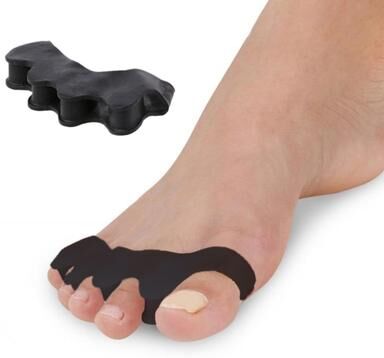
Healfit Counter Silicone Foot Care Toe Separator Stretchers, Corrective Orthosis Silicone Foot Care Toe Separator Stretchers, Corrective OrthosisImprove Foot Health with Corrective Orthosis Toe Separator Stretchers Say goodbye to foot discomfort with our 1 pair Corrective Orthosis Toe Separator Stretchers. These silicone foot care products are designed to help realign and separate your toes,...24,97 $*Shipping: 0,00 $Secure redirect to the provider
-
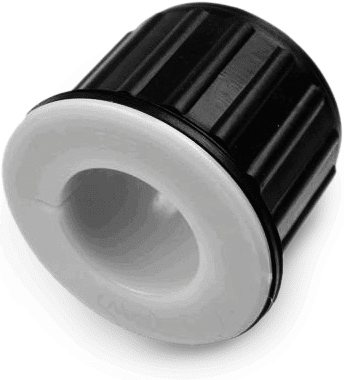
RIDEX 645B0023 Bush, leaf springFitting Position: Rear; Left-/right-hand drive vehicles: for left-hand drive vehicles, for right-hand drive vehicles; Construction Year from: 12/1979, 12/2006, 08/2001, 08/1981, 05/1999, 09/1997, 08/1988, 08/2007, 11/1987, 08/1997, 07/2001, 07/2005, 12/2014, 12/2003, 01/2016, 04/2017; Transmission Code: MT, MTM, AT; Construction Year to: 10/1982, 08/1987, 08/2001, 11/1982, 05/1987, 07/2004, 09/2000, 07/2000, 07/1983, 11/1994, 08/1995, 05/1994, 12/2013, 10/2008, 07/2019, 08/2010, 01/1992; Vehicle Production Country: Japan; Country Specific Design: Australia, Africa, Peru, Fiji, South Africa, Thailand, Azerbaijan; Model Year from: 1993, 1997, 1999, 1992, 2003, 2004, 2009, 2007, 2005; Model Year to: 1998, 2003, 1997, 2011, 2008; Transmission Type: Manual Transmission; Production date from: 1999097,59 £*Shipping: 8,45 £Secure redirect to the provider
-
What are spring symbols?
Spring symbols are objects or images that represent the season of spring and its associated themes. Common spring symbols include flowers such as daffodils, tulips, and cherry blossoms, as well as animals like butterflies and birds. These symbols are often used to evoke feelings of renewal, growth, and rejuvenation that are characteristic of the spring season. Additionally, symbols like rainbows and baby animals are also associated with spring and its themes of new beginnings and fertility. **
-
How should one wear an orthosis?
When wearing an orthosis, it is important to follow the instructions provided by a healthcare professional. The orthosis should be properly fitted to the body part it is intended for, and the straps or fastenings should be secured snugly but not too tight. It is important to wear the orthosis as directed, for the recommended amount of time each day, and to follow any specific care instructions provided. If there is any discomfort or irritation while wearing the orthosis, it is important to consult a healthcare professional for guidance. **
-
What are symbols of spring?
Symbols of spring include blooming flowers such as daffodils, tulips, and cherry blossoms, as well as baby animals like lambs, chicks, and bunnies. Other symbols of spring include the return of migratory birds, longer days, and warmer temperatures. Spring is often associated with renewal, growth, and new beginnings, making these symbols representative of the season's themes. **
-
Why can't I walk normally with an orthosis?
Walking with an orthosis may feel abnormal at first because it is providing support and stability to your affected limb. It may take some time for your body to adjust to the new way of walking and to build up the necessary strength and coordination. Additionally, the orthosis may change the biomechanics of your gait, requiring you to relearn how to walk in a more efficient and effective manner. It's important to work closely with your healthcare provider and physical therapist to ensure that the orthosis is properly fitted and that you are using it correctly to achieve the best possible walking function. **
Similar search terms for Orliman-Leaf-Spring-Orthosis
-
When does the leaf formation of the common fig tree (Ficus carica) begin in spring?
The leaf formation of the common fig tree (Ficus carica) typically begins in late spring, usually around May or June, depending on the climate and location. As the temperatures warm up and the days get longer, the tree starts to produce new leaves. This is a natural response to the changing seasons and is an important part of the tree's growth and development. Once the leaves start to emerge, the tree can begin the process of photosynthesis and produce energy for itself. **
-
When does the leaf formation of the common fig tree (Ficus carica) start in spring?
The leaf formation of the common fig tree typically starts in spring when the temperatures begin to warm up. This usually occurs in late March or early April, depending on the specific climate and location. As the weather becomes more favorable, the tree starts to produce new leaves, signaling the start of the growing season. **
-
What is the interpretation of Spring Awakening?
Spring Awakening can be interpreted as a coming-of-age story that explores the struggles and challenges of adolescence, including issues such as sexuality, abuse, and the lack of communication between parents and children. The play also delves into the consequences of repressing natural human instincts and desires, and the impact of societal expectations on young people. Ultimately, Spring Awakening can be seen as a commentary on the need for open and honest communication about difficult topics, and the importance of understanding and supporting young people as they navigate the complexities of growing up. **
-
Can orthopedic shoes also be worn without the orthosis?
Yes, orthopedic shoes can be worn without the orthosis. Orthopedic shoes are designed to provide support and comfort for the feet, so they can still be beneficial for individuals even without the need for an orthosis. The features of orthopedic shoes, such as extra cushioning, arch support, and wide toe boxes, can help alleviate foot pain and provide stability, making them a good choice for anyone looking for supportive footwear. However, it's important to consult with a healthcare professional to determine the best option for your specific needs. **
* All prices are inclusive of VAT and, if applicable, plus shipping costs. The offer information is based on the details provided by the respective shop and is updated through automated processes. Real-time updates do not occur, so deviations can occur in individual cases. ** Note: Parts of this content were created by AI.