Buy sanovnik.eu ?
We are moving the project
sanovnik.eu .
Are you interested in purchasing the domain
sanovnik.eu ?
domain@kv-gmbh.de · 0541-91531010
Buy sanovnik.eu ?
What is the interpretation of Max Ernst?
Max Ernst was a German artist known for his surrealist works that often explored the subconscious mind and dream imagery. His art often featured strange and fantastical creatures, distorted figures, and dreamlike landscapes, reflecting his interest in the irrational and the unconscious. Ernst's work can be interpreted as a reflection of the chaos and uncertainty of the modern world, as well as an exploration of the human psyche and the hidden depths of the mind. His art often challenges traditional notions of reality and invites viewers to question their perceptions and assumptions. **
How does Max Ernst interpret symbols and figures?
Max Ernst interprets symbols and figures through a surrealist lens, often distorting and transforming them to create dreamlike and fantastical imagery. He combines different elements in unexpected ways to evoke a sense of mystery and provoke the viewer's imagination. Ernst's use of symbols and figures is often open to interpretation, inviting viewers to explore their own subconscious associations and meanings. Through his unique approach, Ernst challenges traditional notions of representation and invites viewers to see the world in a new and unconventional light. **
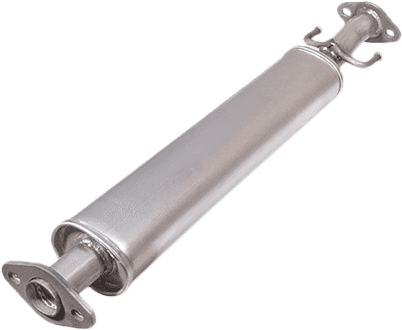
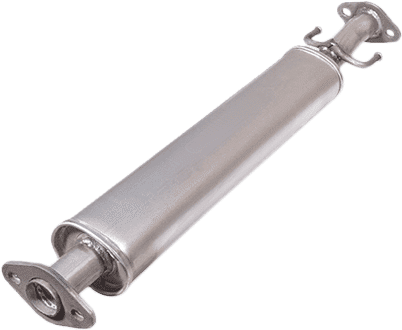
Similar search terms for ERNST-351119-Middle-silencer
Top-Angebote
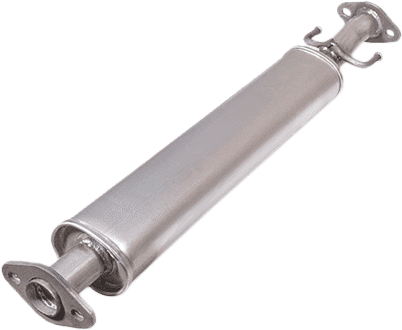
Products related to ERNST-351119-Middle-silencer:
-
ERNST 133159 Middle silencerSee accessories list for additionally required parts: ; alternatively: ; Length [mm]: 700; Weight [kg]: 6,576; TecDoc Engine Number: 4139, 9367, 4963, 4979, 4989, 4961, 5027, 4975, 4980, 4982, 4988; Construction Year to: 07/1990, 12/1996; Construction Year from: 03/1990, 04/1988, 10/1994; Vehicle Identification Number (VIN) from: 31-LE201 814, 31-LB101 393; Catalytic Converter Type: for vehicles with catalytic converter122,99 £*Shipping: 8,45 £Secure redirect to the provider
-
ERNST 133180 Middle silencerSee accessories list for additionally required parts: ; Length [mm]: 650; Weight [kg]: 4,665; TecDoc Engine Number: 5028, 5024, 4972; Vehicle Identification Number (VIN) to: 31-PE253 001, 31-PB201 227; Vehicle Identification Number (VIN) from: 31-ME241 88362,99 £*Shipping: 8,45 £Secure redirect to the provider
-
ERNST 142137 Middle silencerSee accessories list for additionally required parts: ; alternatively: ; Length [mm]: 800; Weight [kg]: 4,8; TecDoc Engine Number: 4972, 4975, 4980, 10848; Catalytic Converter Type: for vehicles with catalytic converter; Construction Year from: 01/1992, 09/1993; Construction Year to: 12/1997, 10/200056,49 £*Shipping: 8,45 £Secure redirect to the provider
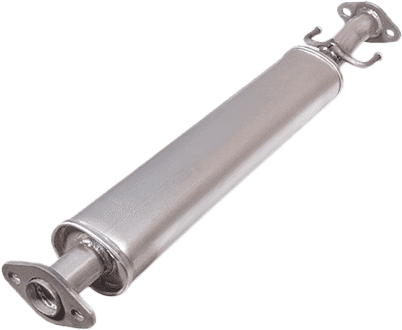
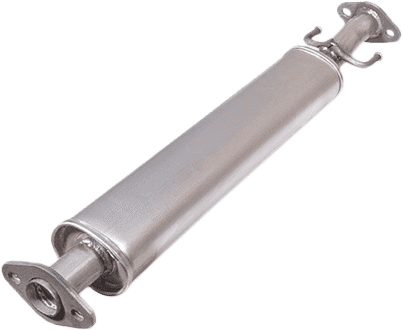

-
What is the interpretation of the poem by Ernst Stadler?
The interpretation of the poem by Ernst Stadler can be seen as a reflection on the destructive nature of war and the impact it has on individuals. The poem captures the sense of despair and hopelessness that comes with the experience of war, as well as the loss and devastation it brings. Stadler's use of vivid imagery and powerful language conveys the emotional and physical toll of war, and serves as a poignant reminder of its tragic consequences. Overall, the poem can be interpreted as a powerful anti-war statement, highlighting the futility and devastation of conflict. **
-
What is the interpretation of Ernst Ludwig Kirchner's work Potsdamer Platz?
Ernst Ludwig Kirchner's work Potsdamer Platz, painted in 1914, is a vibrant and dynamic representation of the bustling city life in Berlin. The painting captures the energy and movement of the modern urban environment, with its crowded streets, towering buildings, and bustling activity. The use of bold colors and sharp angles reflects the artist's fascination with the modern city and his interest in expressing the vitality and chaos of urban life. The painting can be interpreted as a celebration of the modern city and its vibrant energy, as well as a reflection of the artist's own experience and response to the rapidly changing world around him. **
-
Does it say "Ich nimms nicht ernst" or "Ich nehm's nicht ernst"?
The correct phrase is "Ich nehm's nicht ernst." This is a colloquial way of saying "I don't take it seriously" in German. The apostrophe in "nehm's" indicates that the "e" from "nehm" is dropped and replaced with the apostrophe to form a contraction. **
-
What is the interpretation of the poem "Verträumte Jugend" by Karl Ernst Knodt?
The poem "Verträumte Jugend" by Karl Ernst Knodt can be interpreted as a reflection on the fleeting nature of youth and the passage of time. The speaker reminisces about the carefree days of their youth, filled with dreams and aspirations, which have now given way to the responsibilities and realities of adulthood. The poem conveys a sense of nostalgia for the innocence and optimism of youth, while also acknowledging the inevitability of growing older and the changes that come with it. **
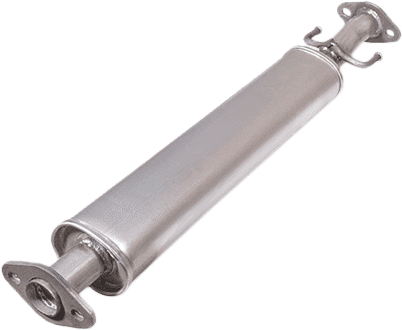

Which rear silencer is more visually appealing?
The rear silencer with the chrome finish is generally considered more visually appealing as it gives a shiny and polished look to the vehicle. The chrome finish adds a touch of elegance and sophistication to the rear of the vehicle, making it stand out. Additionally, the reflective nature of chrome can enhance the overall aesthetic appeal of the vehicle. **
What is known about Ernst Haeckel?
Ernst Haeckel was a prominent 19th-century German biologist, naturalist, and artist. He is best known for his work in the fields of evolutionary biology and zoology, and for coining the terms "ecology" and "phylum." Haeckel also made significant contributions to the study of marine biology and was a strong advocate for Darwin's theory of evolution. However, he was also controversial for his views on race and his support for the concept of "social Darwinism." Additionally, Haeckel was a talented artist and is well-known for his intricate and detailed illustrations of various species, particularly in his famous work "Kunstformen der Natur" (Art Forms in Nature). **
Top-Angebote
Products related to ERNST-351119-Middle-silencer:
-
ERNST 048002 Middle silencerSee accessories list for additionally required parts: ; Engine Code: G9T-C7, G9T-F7, F9Q W7, F9Q 770, FQ9 774, G9T 720, G9U 754, G9U 632, G9U 650; Construction Year from: 12/2002, 02/2004, 08/2006, 11/2008; Construction Year to: 05/2006, 12/2006; TecDoc Engine Number: 21397, 23885, 16302, 19088, 14928, 19374, 15688, 18252, 18874, 23887, 19817, 16303, 19359, 19085, 19370, 16304, 19378, 19379, 21010, 34663, 34661, 19086, 19087, 23875, 24665, 21011, 21013, 21014, 21012; Vehicle Identification Number (VIN) to: B 531 255, B 688 921, B 688 977; not for KBA No.: 3144ADN; Vehicle Equipment: for vehicles without diesel particulate filter (DPF)103,99 £*Shipping: 8,45 £Secure redirect to the provider
-
ERNST 121101 Middle silencerSee accessories list for additionally required parts: ; Length [mm]: 930; Weight [kg]: 3,960; TecDoc Engine Number: 4017, 4019, 4981, 4021, 4984, 15613, 15614, 9688, 9519, 10609, 11468, 15491, 13768, 13770, 14168; Construction Year from: 11/1994, 01/1998; Construction Year to: 12/1997; Engine Code: ANX51,99 £*Shipping: 8,45 £Secure redirect to the provider
-
ERNST 133159 Middle silencerSee accessories list for additionally required parts: ; alternatively: ; Length [mm]: 700; Weight [kg]: 6,576; TecDoc Engine Number: 4139, 9367, 4963, 4979, 4989, 4961, 5027, 4975, 4980, 4982, 4988; Construction Year to: 07/1990, 12/1996; Construction Year from: 03/1990, 04/1988, 10/1994; Vehicle Identification Number (VIN) from: 31-LE201 814, 31-LB101 393; Catalytic Converter Type: for vehicles with catalytic converter122,99 £*Shipping: 8,45 £Secure redirect to the provider
-
ERNST 133180 Middle silencerSee accessories list for additionally required parts: ; Length [mm]: 650; Weight [kg]: 4,665; TecDoc Engine Number: 5028, 5024, 4972; Vehicle Identification Number (VIN) to: 31-PE253 001, 31-PB201 227; Vehicle Identification Number (VIN) from: 31-ME241 88362,99 £*Shipping: 8,45 £Secure redirect to the provider
-
What is the interpretation of Max Ernst?
Max Ernst was a German artist known for his surrealist works that often explored the subconscious mind and dream imagery. His art often featured strange and fantastical creatures, distorted figures, and dreamlike landscapes, reflecting his interest in the irrational and the unconscious. Ernst's work can be interpreted as a reflection of the chaos and uncertainty of the modern world, as well as an exploration of the human psyche and the hidden depths of the mind. His art often challenges traditional notions of reality and invites viewers to question their perceptions and assumptions. **
-
How does Max Ernst interpret symbols and figures?
Max Ernst interprets symbols and figures through a surrealist lens, often distorting and transforming them to create dreamlike and fantastical imagery. He combines different elements in unexpected ways to evoke a sense of mystery and provoke the viewer's imagination. Ernst's use of symbols and figures is often open to interpretation, inviting viewers to explore their own subconscious associations and meanings. Through his unique approach, Ernst challenges traditional notions of representation and invites viewers to see the world in a new and unconventional light. **
-
What is the interpretation of the poem by Ernst Stadler?
The interpretation of the poem by Ernst Stadler can be seen as a reflection on the destructive nature of war and the impact it has on individuals. The poem captures the sense of despair and hopelessness that comes with the experience of war, as well as the loss and devastation it brings. Stadler's use of vivid imagery and powerful language conveys the emotional and physical toll of war, and serves as a poignant reminder of its tragic consequences. Overall, the poem can be interpreted as a powerful anti-war statement, highlighting the futility and devastation of conflict. **
-
What is the interpretation of Ernst Ludwig Kirchner's work Potsdamer Platz?
Ernst Ludwig Kirchner's work Potsdamer Platz, painted in 1914, is a vibrant and dynamic representation of the bustling city life in Berlin. The painting captures the energy and movement of the modern urban environment, with its crowded streets, towering buildings, and bustling activity. The use of bold colors and sharp angles reflects the artist's fascination with the modern city and his interest in expressing the vitality and chaos of urban life. The painting can be interpreted as a celebration of the modern city and its vibrant energy, as well as a reflection of the artist's own experience and response to the rapidly changing world around him. **
Similar search terms for ERNST-351119-Middle-silencer
-
ERNST 142137 Middle silencerSee accessories list for additionally required parts: ; alternatively: ; Length [mm]: 800; Weight [kg]: 4,8; TecDoc Engine Number: 4972, 4975, 4980, 10848; Catalytic Converter Type: for vehicles with catalytic converter; Construction Year from: 01/1992, 09/1993; Construction Year to: 12/1997, 10/200056,49 £*Shipping: 8,45 £Secure redirect to the provider
-
ERNST 275002 Middle silencerRepair solution: ; See accessories list for additionally required parts: ; Length [mm]: 750; TecDoc Engine Number: 20538, 18167, 18038, 18358, 18037; Engine Code: 30334, N42, N46, N42, N46; Construction Year from: 09/2001; Construction Year to: 05/2005, 02/2005200,99 £*Shipping: 1,99 £Secure redirect to the provider
-
Does it say "Ich nimms nicht ernst" or "Ich nehm's nicht ernst"?
The correct phrase is "Ich nehm's nicht ernst." This is a colloquial way of saying "I don't take it seriously" in German. The apostrophe in "nehm's" indicates that the "e" from "nehm" is dropped and replaced with the apostrophe to form a contraction. **
-
What is the interpretation of the poem "Verträumte Jugend" by Karl Ernst Knodt?
The poem "Verträumte Jugend" by Karl Ernst Knodt can be interpreted as a reflection on the fleeting nature of youth and the passage of time. The speaker reminisces about the carefree days of their youth, filled with dreams and aspirations, which have now given way to the responsibilities and realities of adulthood. The poem conveys a sense of nostalgia for the innocence and optimism of youth, while also acknowledging the inevitability of growing older and the changes that come with it. **
-
Which rear silencer is more visually appealing?
The rear silencer with the chrome finish is generally considered more visually appealing as it gives a shiny and polished look to the vehicle. The chrome finish adds a touch of elegance and sophistication to the rear of the vehicle, making it stand out. Additionally, the reflective nature of chrome can enhance the overall aesthetic appeal of the vehicle. **
-
What is known about Ernst Haeckel?
Ernst Haeckel was a prominent 19th-century German biologist, naturalist, and artist. He is best known for his work in the fields of evolutionary biology and zoology, and for coining the terms "ecology" and "phylum." Haeckel also made significant contributions to the study of marine biology and was a strong advocate for Darwin's theory of evolution. However, he was also controversial for his views on race and his support for the concept of "social Darwinism." Additionally, Haeckel was a talented artist and is well-known for his intricate and detailed illustrations of various species, particularly in his famous work "Kunstformen der Natur" (Art Forms in Nature). **
* All prices are inclusive of VAT and, if applicable, plus shipping costs. The offer information is based on the details provided by the respective shop and is updated through automated processes. Real-time updates do not occur, so deviations can occur in individual cases. ** Note: Parts of this content were created by AI.